Pediatric dentist
in Miami
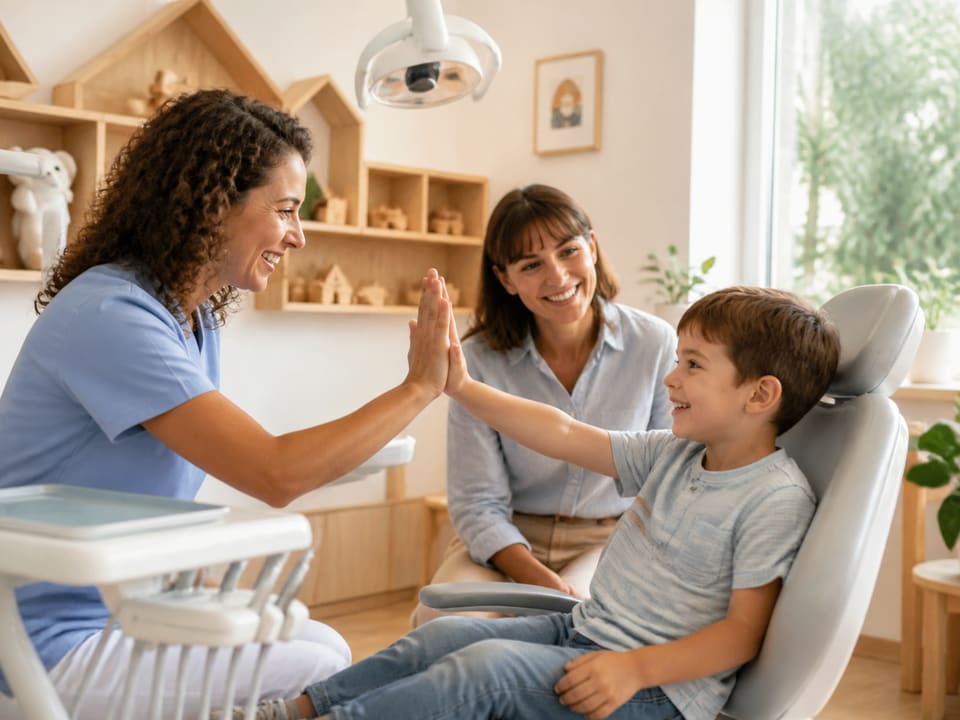
Dr. Ferrer sees kids from the first tooth to the teen years. She shows your child each tool and says what she is about to do before she does it.
- First visits from age 1
- English, Español & Português
Mon–Fri 8–6 · Sat 8–2
Mon–Fri 8–6 · Sat 8–2
Kids’ dentistry at a glance
- First visit
- By age 1
- or within 6 months of the first tooth
- Visit length
- 30–45 minutes
- First visits are short and slow.
- Checkups every
- 6 months
- Dr. Ferrer may suggest a different schedule.
- Insurance
- Often covered
- Many plans pay for kids’ checkups. We check first.
When should my child come in?
Dentists suggest a first visit by the first birthday, or within six months of the first tooth. Any age is a good time to start, though. These are the usual reasons parents book.
Worried your child will be scared? Tell us when you book. We can start with a ride in the chair and a look around.
- The first tooth came inEven one tooth is enough to book.
- Your child has not been yetYour child can start at any age. Two, five or ten is fine.
- It has been six monthsMost kids come for a checkup twice a year.
- Your child is nervousA short “just looking” visit is fine. We go at your child’s speed.
- Something looks differentA spot on a tooth, a chip, or a pacifier or thumb habit after age 3.
Your child’s first visit, by age
A visit at 1 is different from a visit at 9. Here is what happens at each age, what your child may do and how you can help.
First tooth to age 2
Counting teeth on your lap
Your baby sits on your lap, facing you, and leans back so their head rests in Dr. Ferrer’s lap. She counts the teeth, looks at the gums and checks how the mouth is growing.
- Your child
- Looks up at the lights, grabs the mirror and probably says something about it.
- You
- Bring a favorite blanket. We show you how to brush a tiny mouth with a rice-size smear of toothpaste.
Ages 3 to 5
The first ride in the chair
Your child climbs into the chair, we raise it up and down, then count teeth and polish them with a soft brush. A fluoride varnish (we call it tooth paint) helps protect the enamel.
- Your child
- Presses the button that moves the chair and picks the flavor of the polish.
- You
- Stay close and keep it light. We talk about thumb sucking and pacifiers if they are still around.
Ages 6 to 12
Loose teeth and new molars
Baby teeth wobble and adult ones arrive, including the first back molars around age 6. We check how they come in, polish and often add sealants, a thin coating on the grooves of back teeth.
- Your child
- Shows off a loose tooth, asks how many teeth are left to lose and picks a sticker.
- You
- Ask about mouthguards for sports. We also look at whether teeth have room to come in straight.
Teens
Mostly a conversation
Teens do most of the talking. We check for cavities, talk about braces or aligners if teeth look crowded, and look ahead at wisdom teeth.
- Your child
- Asks their own questions and gets straight answers.
- You
- Give them room to speak for themselves. We are glad to have you in the room if they want you there.
Tips for parents
Small things that make the visit easier, before and after.
- Talk about it like it is normalSay “the dentist will count your teeth.” Skip words like hurt, shot or drill, even to cheer them up.
- Pick a good time of dayBook a time when your child is rested and has eaten. Mornings often work well for little ones.
- Bring a comfort itemA blanket, a stuffed animal or a favorite book can come into the room with you.
- Stay closeYoung children often do best in your lap for the exam. We show you how to hold them.
- Let one voice leadWe explain each step to your child in simple words. You can nod and smile, and that helps most.
- Brush together at homeTwice a day for two minutes, and you help until about age 7 or 8 so every tooth gets reached.
Words we use with kids
We give every tool a friendly name and show it first. You may hear your child repeat these at home.
- Counting teeth
- The exam. We count every tooth with a small mirror.
- The tickle brush
- A soft, spinning brush that polishes teeth. It tickles a little.
- The thirsty straw
- A small suction tool that keeps the mouth dry. It slurps.
- Tooth paint
- Fluoride varnish, brushed on to protect the enamel. It has a mild flavor.
- Sunglasses
- Safety glasses for the bright light. Your child wears them, and so does Dr. Ferrer.
- The chair ride
- The chair goes up and down like a ride. Your child gets to press the button.

What a visit is like
Plan on 30 to 45 minutes. We go slowly, and you stay with your child the whole time.
- You pick the timeBook online or call. We are open Saturdays until 2 pm, so school days stay free.
- A look around firstNew patients can see the room and meet Dr. Ferrer before sitting down. Ask for it when you book.
- Show, tell, doWe show each tool and say what it does before it touches your child’s teeth.
- You leave with tipsBrushing help for your child’s age, and the date of the next visit.
At home after the visit
If we used fluoride varnish
Soft foods for the rest of the day. Wait until the next morning to brush.
Brushing
Twice a day for two minutes. Use a rice-size smear of fluoride toothpaste under age 3, and a pea-size amount from 3 to 6.
Snacks and drinks
Water between meals. Juice and sticky snacks do less harm with a meal than sipped or nibbled all day.
If something comes up
A knocked or chipped tooth, a fall, or swelling: call us the same day.
What a kids’ visit costs, in writing
We tell you the price before we start. Here is what a typical checkup looks like, with example prices.
What changes the price
- Whether X-rays are needed
- Your child’s age and how many teeth there are
- Sealants or fluoride
- Any treatment after the exam, like a filling
Insurance
Many dental plans cover kids’ checkups and cleanings, often at little or no cost. Sealants and fillings may be covered in part. We check your plan before the visit.
No insurance?
Ask us about our membership plan. We tell you what it covers and what it does not before you join.
Example estimate
Example prices
A checkup visit for a child
- Exam and gentle cleaning
- $90–$170
- X-rays, when needed
- $30–$110
- Fluoride varnish
- $25–$50
- Example checkup visit
- $145–$330
Sealants (a thin coating that protects back teeth) are an example $40–$70 per tooth. A small filling is an example $120–$300 per tooth. These are example ranges for a fictional practice. Your dentist gives you the real price in writing before anything starts.
Your child’s dentist
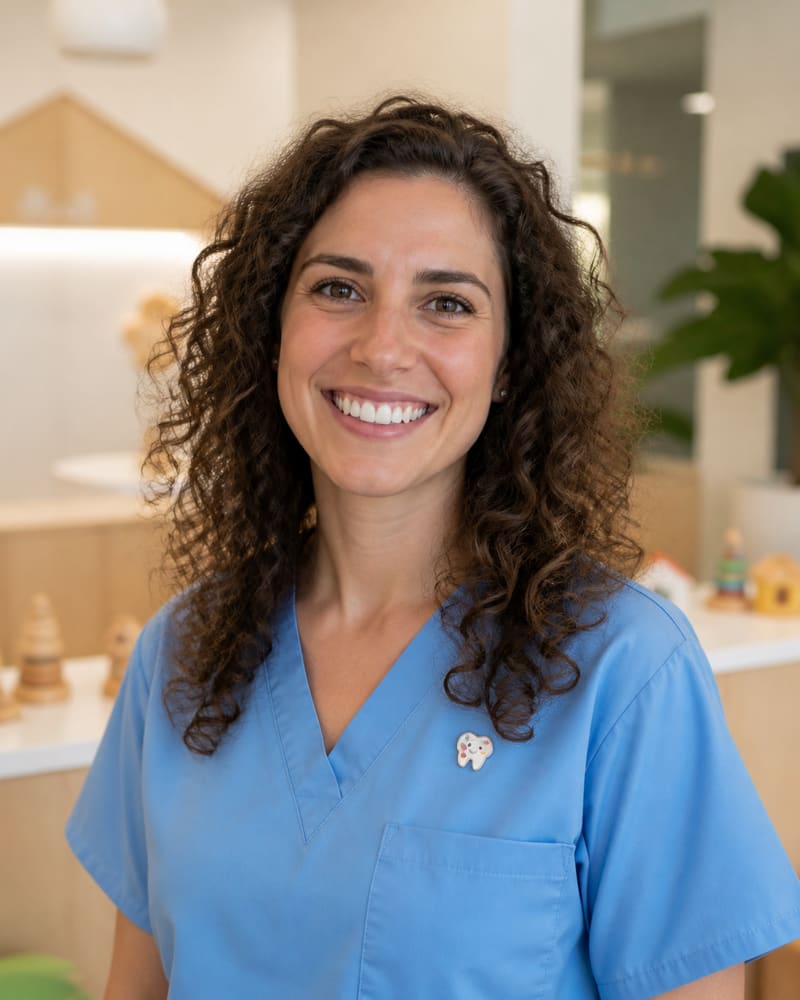
Dr. Lucía Ferrer
Pediatric dentist
Dr. Ferrer is a pediatric dentist. After dental school she completed a specialty residency in children’s dentistry. She speaks English, Spanish and Portuguese with kids and parents.
“I tell every child what I’m about to do before I do it.”
- Focus
- Kids from the first tooth to the teen years
- Languages
- English · Spanish · Portuguese
DDS · Specialty residency in pediatric dentistry
What parents say
All reviews- Example review
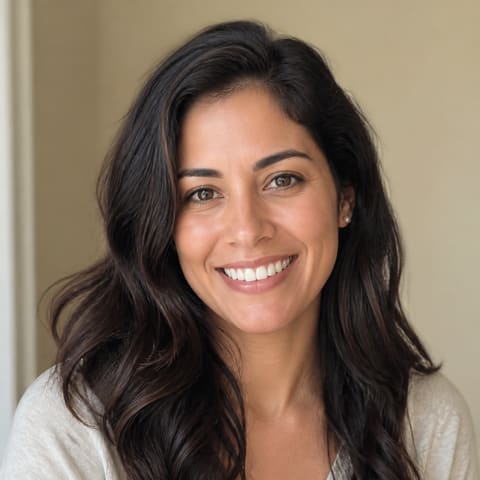
“My daughter was terrified of dentists. Dr. Ferrer let her hold the mirror and count her own teeth. Now she brags about her visits.”
- Example review
“We brought our 18-month-old for her first tooth. Dr. Ferrer did the exam with her in my lap and showed me how to brush. We were done in 25 minutes.”
Daniela C.Kids’ dentistry
Questions about kids’ dentistry
The ones parents ask us most. Ask us anything else when you book.
When should my child have a first dental visit?
By the first birthday, or within six months of the first tooth. The visit is short. Dr. Ferrer counts teeth, checks the gums and shows you how to brush. If your child is older and has not been yet, now is a good time.
What if my child is scared of the dentist?
Tell us when you book. We can start with a look around and a ride in the chair, and Dr. Ferrer shows each tool before using it. Many children need only a visit or two to feel at ease.
How often should kids see the dentist?
Most kids come every six months. Dr. Ferrer may suggest more often if your child gets cavities easily, and she tells you why.
Do kids need X-rays?
Only when needed, for example to see between back teeth that touch. The amount of radiation is very small, and your child wears a protective apron. A child with healthy teeth may go a year or more between X-rays.
Do baby teeth matter if they fall out anyway?
Yes. They help your child chew and speak, and they hold the space for adult teeth. A cavity in a baby tooth can hurt and spread, so we treat them.
How much does a child’s checkup cost?
The example estimate above shows a typical range for a checkup with a cleaning, X-rays when needed and fluoride. Your price depends on what your child needs, and we tell you in writing first.

Book your child’s first visit
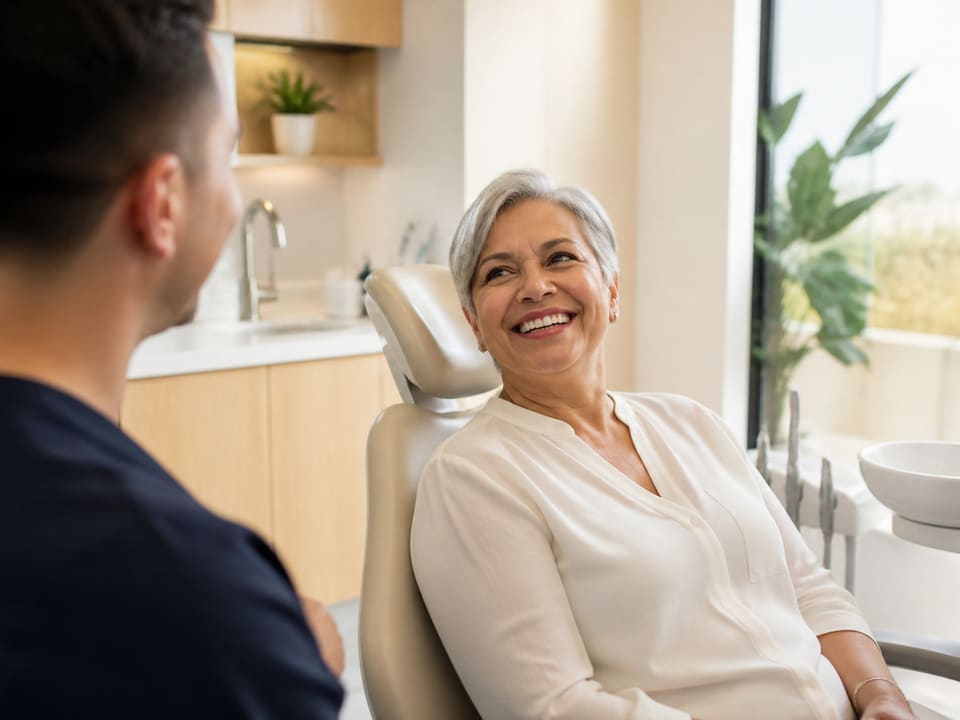
A short, slow visit with a pediatric dentist. In English, Spanish or Portuguese, Saturdays included.